The Science of Glass Packaging: Enhancing Your Brand Using Premium Glass Bottles
The art of glass packaging provides brands with an exceptional opportunity for distinction. Through sustainable practices, glass bottles elevate brand aesthetics and connect with sustainability-minded shoppers. Their inherent qualities, encompassing recyclability and material safety, signify a commitment to quality. As brands navigate this evolving landscape, understanding the multifaceted benefits and challenges of glass packaging becomes essential for long-term success. What innovative strategies are brands employing to maximize these advantages?
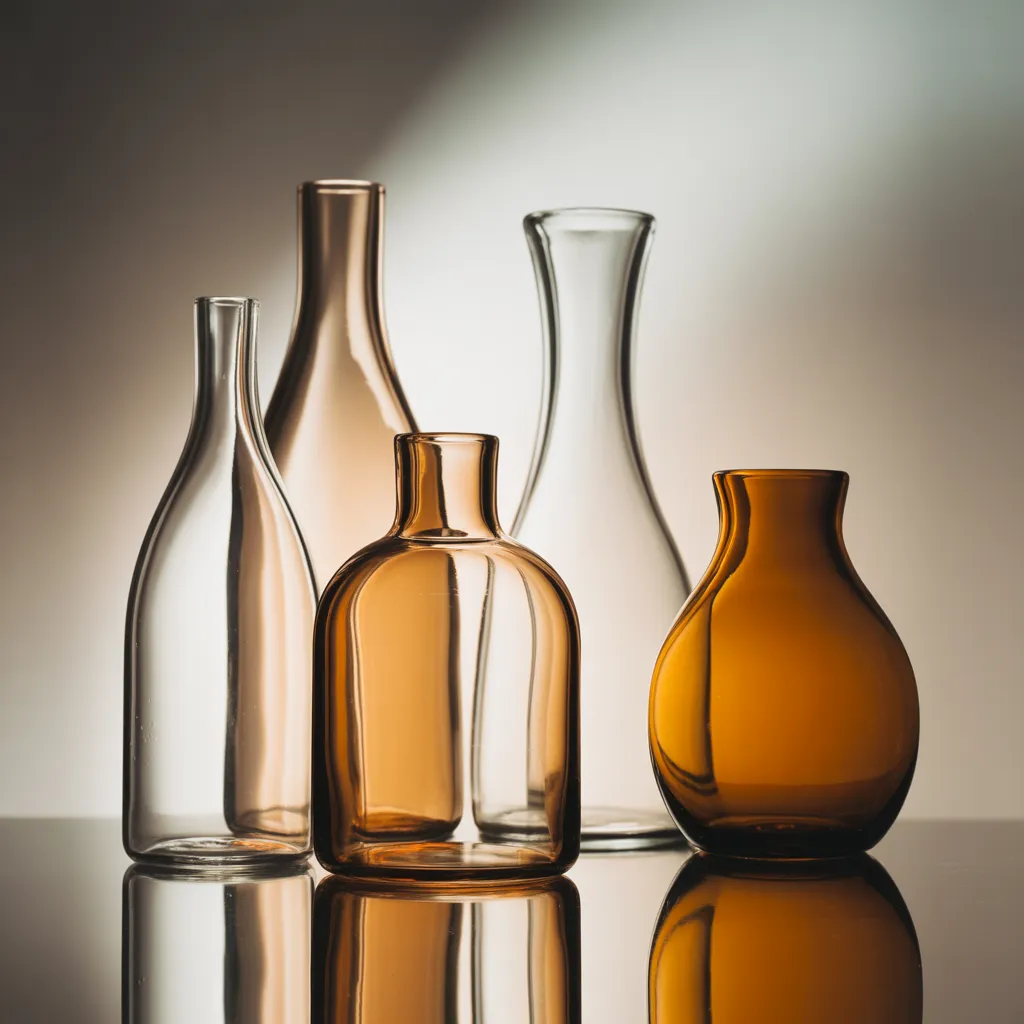
What Makes Glass Packaging the Right Choice for Your Brand
Opting for glass packaging can considerably elevate a brand's overall perception and environmental initiatives. Brands that opt for glass demonstrate a dedication to excellence and premium experiences, attracting selective buyers who appreciate aesthetic and functional attributes. Glass offers a classic and refined aesthetic, contributing to a brand's visual identity while providing a sensory experience that plastic cannot match.
Furthermore, glass packaging conveys an impression of purity and safety, as it is free from harmful chemicals often found in plastics. This decision can appeal to sustainability-minded buyers who connect glass with ethical choices. In addition, its robust construction supports reuse, additionally affirming a brand's devotion to sustainable principles.
In an industry growing more conscious of ecological responsibility, glass packaging embracing glass packaging solutions can differentiate a brand cultivating consumer loyalty and strengthening brand trust. Ultimately, this strategic choice places brands at the forefront of sustainability and quality, resonating with modern consumer values.
The Eco-Friendly Advantages of Glass Bottles
Glass bottles present substantial sustainability benefits that set them apart from competing packaging solutions. Glass bottles are completely recyclable, supporting a circular economy where materials can be recycled endlessly without degradation in quality. This characteristic considerably decreases the need for raw materials, thus reducing natural resource extraction and energy usage linked to manufacturing.
Additionally, glass packaging is chemically stable, meaning it does not seep toxic substances into its stored materials, ensuring healthier consumption. In contrast to plastic, glass does not contribute to microplastic pollution, which is a rising environmental issue.
The manufacturing of glass bottles similarly results in lower greenhouse gas emissions compared to plastic alternatives. With advancements in manufacturing processes, energy efficiency has been greatly enhanced, thereby reducing the carbon footprint associated with glass production.
Creative Designs That Elevate Glass Packaging
Innovative patterns in glass containers are revolutionizing how products are perceived. Unique shapes and structures not only boost practicality but also draw shopper focus. Moreover, striking color combinations further elevate the aesthetic appeal, making glass packaging rise above the competition on display.
One-of-a-Kind Shapes and Structures
Revolutionary approaches in packaging made from glass not only boost visual impact but also play an essential role in brand differentiation. Unique shapes and structures can generate lasting impressions on consumers, making products stand out on competitive store shelves. As an example, asymmetrical bottles or geometric designs can inspire intrigue and promote exploration. These unconventional forms often reflect a brand's personality, strengthening its core principles and vision. Additionally, original designs can boost practicality, such as easier handling or enhanced pouring. Businesses that commit to original glass design concepts demonstrate dedication to excellence and environmental responsibility, engaging environmentally responsible shoppers. When focusing on distinctiveness in their packaging designs, brands can cultivate more meaningful relationships with consumers, thereby boosting brand loyalty and expanding market visibility.
Attention-Grabbing Color Palettes
Dynamic color schemes play an essential role in enhancing glass packaging, converting standard bottles into captivating visual expressions. By utilizing a deliberate combination of shades, companies can stir feelings and craft lasting impressions for customers. Striking colors can indicate superior craftsmanship, as more subdued tones often suggest grace and distinction.
Furthermore, the use of gradient and multi-tone aesthetics adds depth and intrigue, drawing attention on crowded shelves. Eco-conscious practices additionally boost the appeal; environmentally responsible dyes and finishes connect with mindful consumers. Ultimately, the perfect color palette not only embodies a brand's character but also strengthens its dedication to sustainability, positioning glass packaging as a compelling differentiator in a competitive marketplace.
In What Ways Does Glass Packaging Improve Product Perception?
Glass packaging notably improves product perception with its premium aesthetic and tactile quality, evoking a feeling of luxury among consumers. The visual transparency and clarity of glass provide a clear and unimpeded view of the contents, strengthening the perception of quality. Additionally, using glass aligns with eco-friendly brand positioning, appealing to environmentally conscious consumers.
Luxurious Feel And Appeal
The use of glass packaging greatly elevates the recognized quality of a product, commonly connecting it with quality and elegance. Consumers frequently associate glass with premium quality, contributing to enhanced brand loyalty and rewarding buyer experiences. The tactile nature of glass, with its smooth texture and weight, establishes a high-end impression that plastic fails to reproduce. This sensory engagement establishes a bond between the product and the consumer, fostering a perception of excellence. Moreover, glass packaging reflects a focus on sustainability, attracting eco-aware consumers. Consequently, companies using glass packaging can present themselves as superior choices within their markets, attracting discerning customers who appreciate both style and sustainability in their consumer decisions.
Clear Visual Transparency And Precision
When shoppers come across products in glass packaging, their impression is frequently elevated by the natural visual openness and clearness it offers. This transparency allows potential buyers to see the product inside, building a feeling of confidence and genuineness. The clarity of glass not only showcases the product's quality but also highlights its color and texture, boosting aesthetic attractiveness. Moreover, the removal of labeling interference on clear glass enables the product to stand at the forefront, creating a more engaging shopping experience. Glass packaging can elevate brand perception by conveying a commitment to quality and craftsmanship. This visual clarity ultimately influences consumer decisions, fostering a stronger sentimental bond with the product and the company.
Sustainable Brand Positioning
Sustainability-focused brands utilize glass materials to reinforce their commitment to sustainability, effectively enhancing product perception. Glass projects an image of quality and authenticity, defining a loftier benchmark when measured against plastic counterparts. This medium not only highlights the environmental principles of a brand but also appeals to consumers who prioritize environmentally responsible choices. The sensory quality of glass—its density and surface—further amplifies the perceived premium nature of the product. Additionally, the recyclability of glass aligns with the growing consumer demand for sustainable practices, strengthening consumer allegiance. By selecting glass, brands not only highlight their devotion to environmental stewardship but also establish their products as high-end choices, thus building a favorable reputation in a crowded market.
How Brands Are Winning With Glass Packaging
Many companies are flourishing by embracing glass packaging, demonstrating its appeal to consumers and commitment to sustainability. To illustrate, a well-known beverage company transitioned to glass bottles, leading to a 30% rise in sales within a year. The switch not only boosted product visibility on shelves but also connected with eco-conscious consumers, reinforcing the brand's sustainability message.
A different cosmetic company effectively transitioned to glass vessels, considerably boosting its luxury brand perception. This change attracted a loyal customer base that prioritizes both design quality and sustainable values. Additionally, an artisan brewery adopted reusable glass growlers, cultivating consumer trust and decreasing environmental impact. These real-world cases show that glass packaging not only meets market needs for environmentally responsible choices but also reinforces brand recognition and competitive standing. These deliberate decisions reflect a growing trend among brands aiming to incorporate green principles into their strategies while resonating with contemporary buyers.
Ways to Address Challenges in Glass Packaging
Managing the challenges of glass packaging requires creative approaches and a keen understanding of the market. Businesses often face obstacles such as costly production processes, weight-related challenges, and breakability. To overcome these, brands can implement cutting-edge production methods that reduce waste and improve product strength. Working alongside suppliers to source eco-friendly materials also minimizes environmental consequences while appealing to eco-aware consumers.
An additional obstacle involves transportation logistics, considering the substantial weight of glass. Adopting intelligent logistics strategies, such as refined shipping techniques and innovative packaging designs, can help minimize costs and guarantee product safety during transit. Moreover, informing customers about the advantages of glass compared to plastic can build brand loyalty and stimulate demand. By embracing these strategies, companies can surmount challenges in glass packaging and distinguish themselves as innovators in eco-friendly practices, thereby strengthening their brand reputation and market standing.
Upcoming Trends in Sustainable Glass Packaging
As the appetite for sustainable packaging solutions expands, the glass packaging industry is on the brink of significant transformation. Advancements in production methods are anticipated to improve energy performance, lowering the environmental impact linked to glass manufacturing. Additionally, the rise of lightweight glass bottle usage will become a defining trend, reducing shipping emissions while preserving product quality.
Recycling initiatives will become more robust, with enhanced partnerships between industry leaders and civic authorities to improve glass collection and processing. Additionally, the embedding of advanced technology in packaging solutions will allow for greater transparency in the supply chain, allowing businesses to demonstrate their green initiatives with greater effectiveness.
Consumer preferences for eco-friendly products will also drive the development of customizable, aesthetically pleasing designs, combining utility with striking visual elements. As companies increasingly embrace sustainable practices, the glass packaging sector is set to redefine its approach, addressing wider ecological objectives while satisfying the demands of environmentally aware consumers.
Frequently Asked Questions
What Are the Costs Associated With Glass Packaging Compared to Plastic?
Packaging made from glass generally incurs greater expenses owing to production, distribution, and recycling demands when compared to plastic alternatives. That said, it offers eco-friendly benefits and stronger brand positioning, which may validate the cost for select businesses.
How Do I Customize Glass Bottles for My Brand?
Companies are able to personalize glass containers by using original forms, tones, and surface treatments. Engraving, labeling, and printing designs strengthen brand recognition. Partnering with manufacturers secures adherence to eco-friendly initiatives while maintaining aesthetic appeal and functionality.
Are There Particular Rules Governing Glass Packaging?
Certainly, dedicated regulations for glass packaging have been established, varying by region. These cover safety standards, labeling requirements, and recycling guidelines, guaranteeing consumer safety and environmental responsibility while promoting sustainable practices in packaging manufacturing and distribution.
What Are the Most Effective Best Practices for Recycling Glass Bottles?
When recycling glass bottles properly, people should clean them out to eliminate any residue, detach any lids or caps, and sort by color. Additionally, they should review community recycling rules for designated drop-off sites to make certain they are processed appropriately.
How Does Glass Packaging Affect Shipping and Logistics?
Glass packaging notably influences shipping and logistics by adding weight and fragility, demanding meticulous handling and dedicated transportation methods. This often leads to increased expenses and more complicated supply chain operations when compared to lighter and more resilient materials.